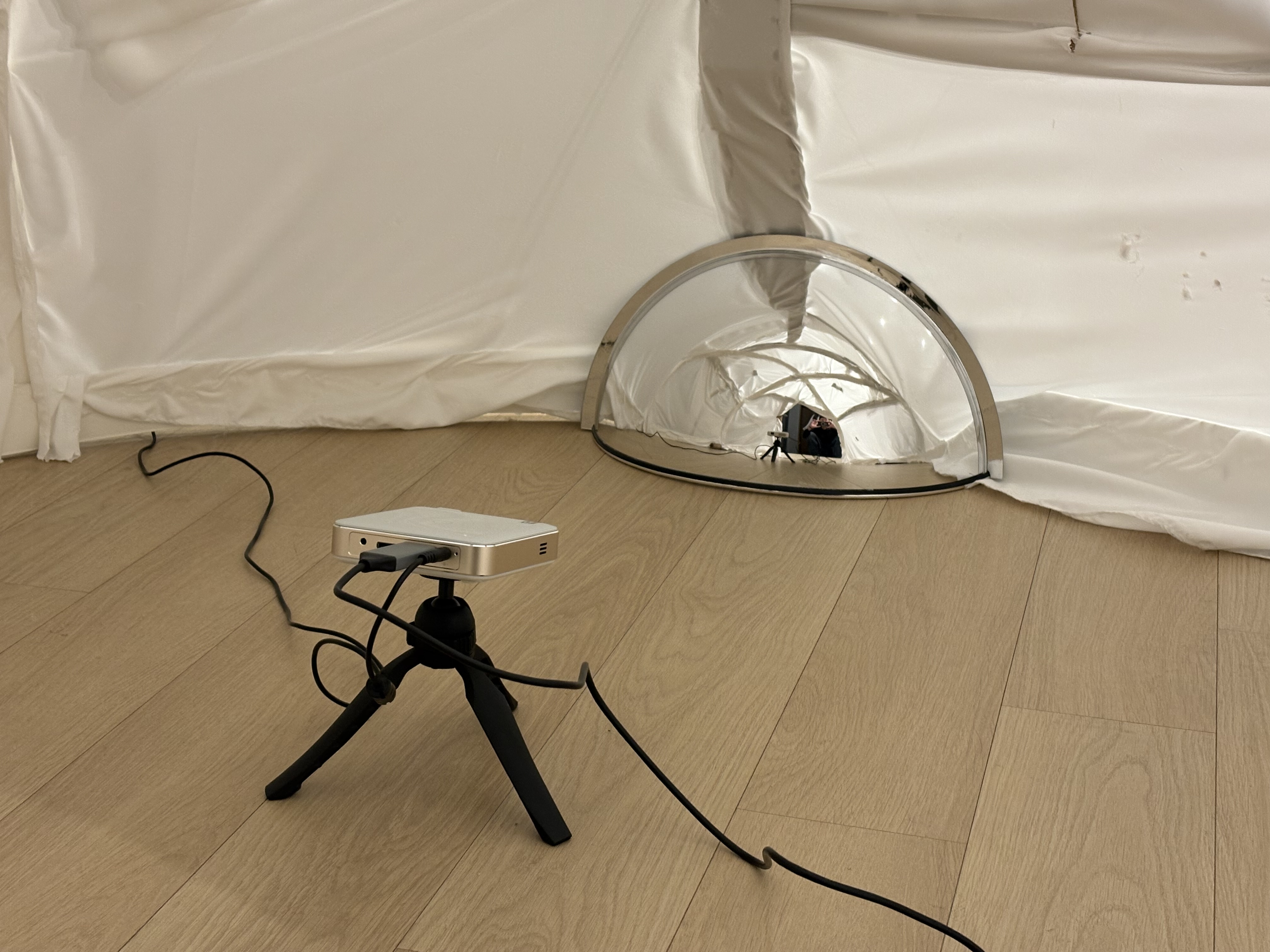
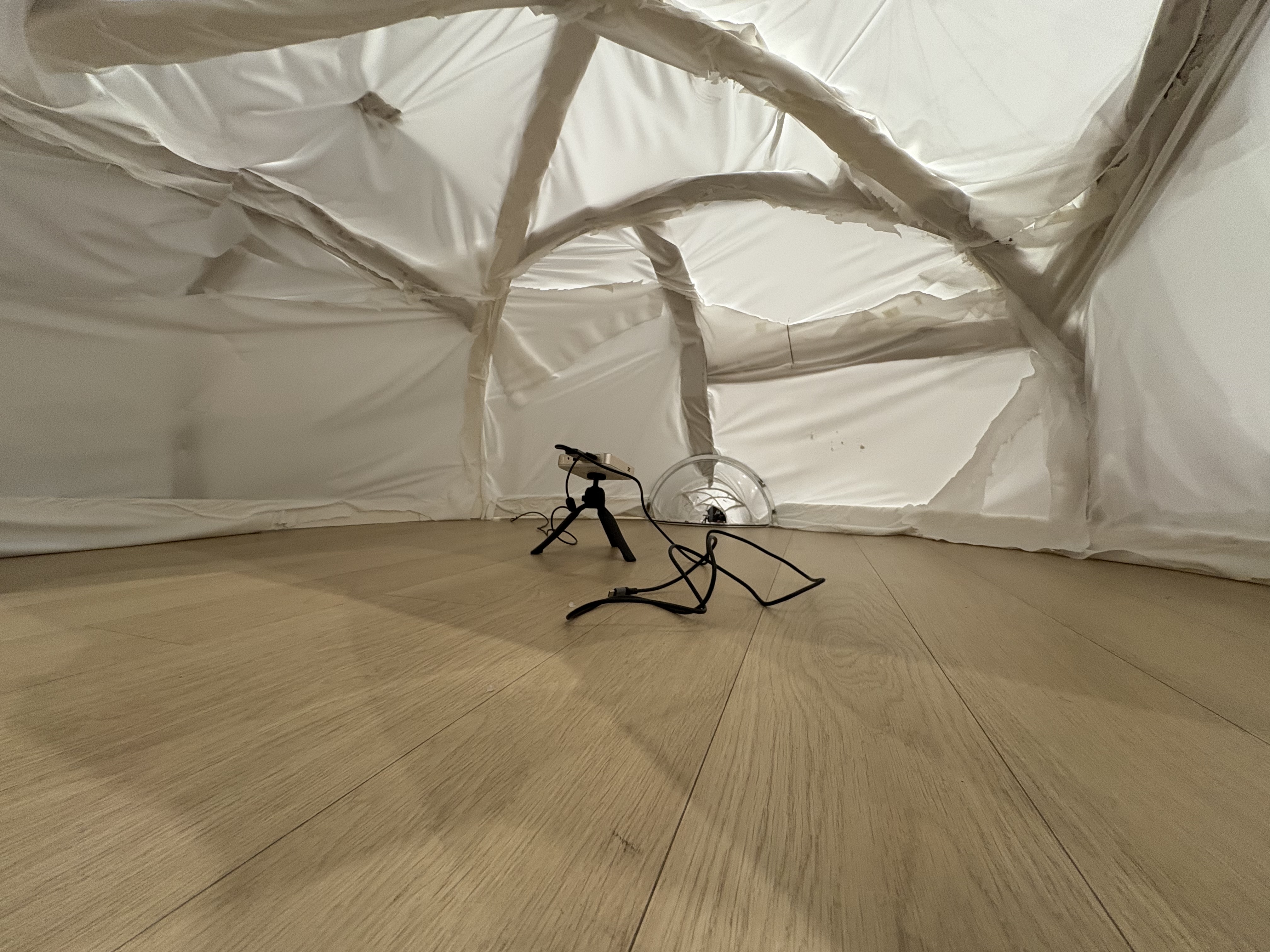
A Generation Deprived of Starlight
The world is dominated by light-polluted urban areas, rendering today's children deprived of any starlight. Our parents often remember getting a stellar view of the Milky Way. Less than 10% of all Korean students will share the same experience today.
We remember something different: visiting the planetarium. Only recently did we realize that our fascinated selves were not smiling out of childish wonder. Children, too, realize the awe of the unreachable cosmos. And more of them need that in their youth.

Traditional Planetariums: Not Reaching Enough People
Less than 3000 building-grade planetaria are operational around the world. This makes a visit to the planetarium episodic at best, and rarely a recurring opportunity. Even multi-million-dollar installations do not reach far enough.
Not enough planetaria leads to very few content available. Content production for these domes is ridiculously stagnant. Understandably, there are less than 3000 clients, and most of them end up producing their own films. Most importantly, visitors have almost no choice over the content they consume.

Home Alternatives: Unacceptable Quality
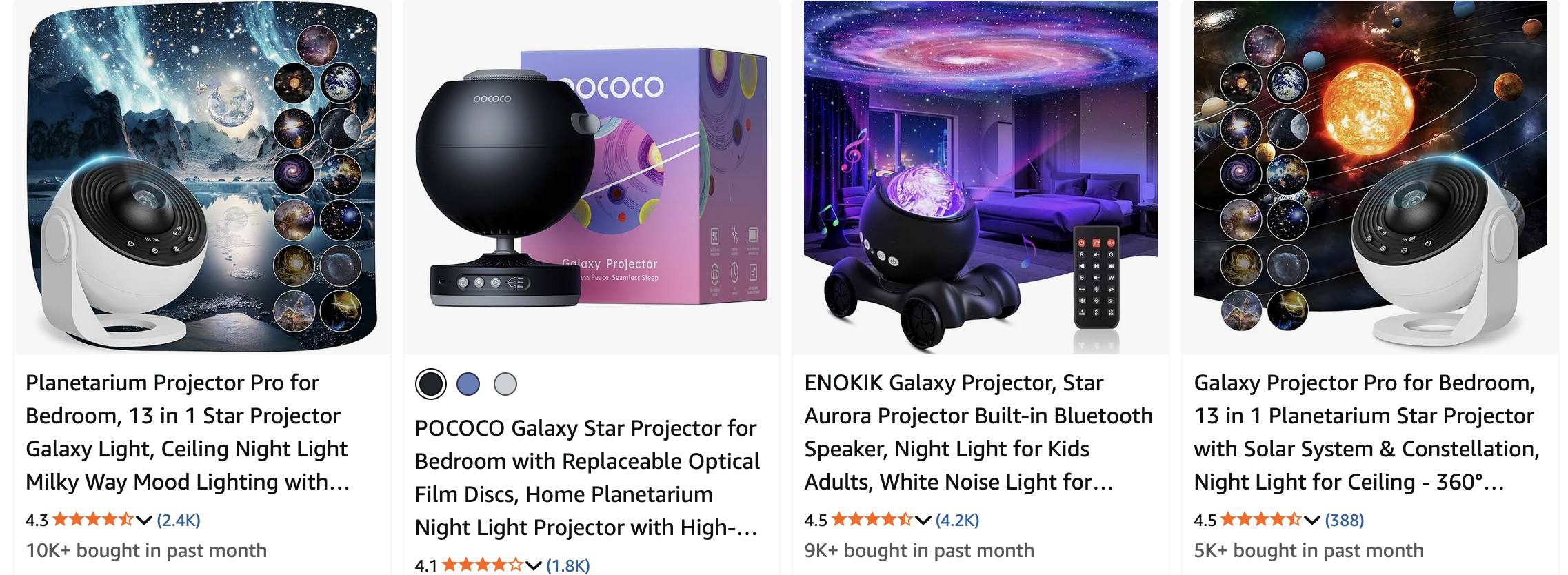
Around a decade ago, a new scheme began to populate online retail stores. These home star projectors, usually sold around $30 to $100, supposedly promise to transform any bedroom into a magnificent window to the galaxy. That magnificent window is almost always disturbed by irregular ceilings, rectangular rooms, or often just poor projection quality. The lack of spherical domes is the nail in the coffin; current home ‘alternatives’ are simply of unacceptable quality. As such, they at least advertise themselves as children’s day gifts, not as means of serious enthusiasm or education. Sadly, not even inspiration.
Virtual & Extended Reality: Little Depth & Nausea
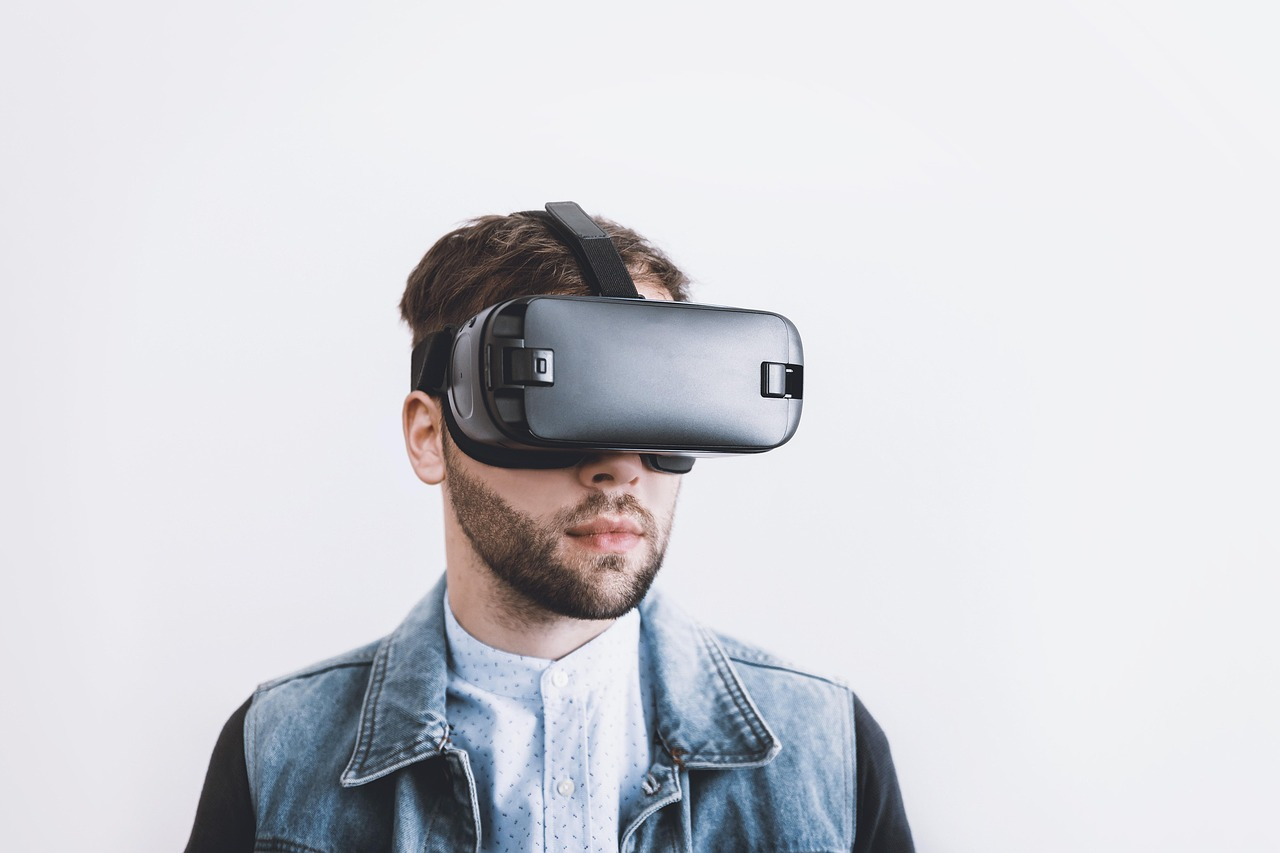
Our team firmly believes that Starjection has a distinct upper hand over extended reality (XR). One decisive reason is depth of focus. A fundamental limitation of XR headsets is the mismatch in focus coordination, which is why 40% to 80% of all VR users experience symptoms known as XR sickness. But even subtle discord matters, especially when it comes to stargazing. Few people who have visited a planetarium will agree on XR’s potential to replace it; the awe and depth is simply impossible to replicate with optical trickery. For the same reasons why large planetaria continue to inspire and amaze, Starjection is not replaceable with XR headsets.
Building What People Want & The World Needs
Starjection pioneers an untouched realm of display technology. Enthusiasts, students, and educators will be presented with a product to fit their needs. Starjection matters not only because of its potential and profitability, but because it comes from something the world lost to urbanization – and can get back.